The NEPA and Pocono Hub
Every year, Halloween life re-emerges in Northeastern Pennsylvania. A series of themed attractions keep things interesting in the area. NEPA is not generally known for being a Halloween mecca, however there are enough things to do each fall to keep the area Halloween enthusiasts living their best life.
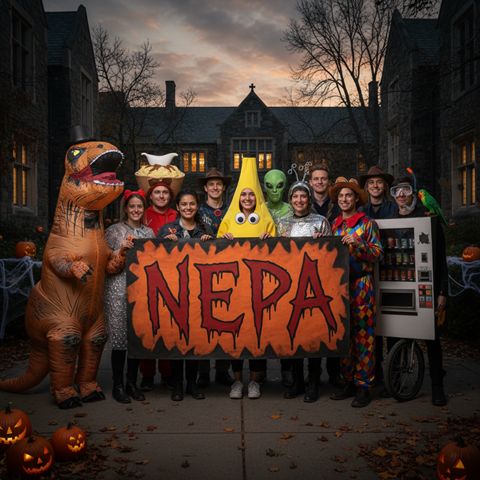
Remaining indoors in NEPA? Halloween is meant to be fun, not stressful. There’s no rule that says you have to go out into the Halloween nonsense. People choose to stay in for lots of reasons like preferring a quiet night, not one to enjoy crowds, just plain saving money, the weather isn’t that great, or whatever. Staying indoor can be just as fun, and sometimes even better if it makes you more at ease.
If you’re staying indoors this year, it doesn’t mean you’re missing out on the NEPA experience, you’re just celebrating spook night differently. You can watch a Halloween movie, order some of your favorite food, bake yourself a Halloween treat, or even dress up; even if no one sees except your dog...
Halloween can actually contribute to some health problems, but pretty much in small and preventable ways. And for most NEPA residents, it’s harmless. Sometimes you can create health problems if you consume too much candy during the holiday season. Stomach aches, blood sugar spikes, premature tooth decay, and mild to severe headaches from excess sugar are some of the many preventable health issues that arise this time of year.
Even worse than candy related health problems are anxiety from scary themed attractions, panic from hidden jump scares, and overstimulation from crowds or scary noise. This mental Halloween anguish is especially common in young children or adults sensitive to horror and horror themes.
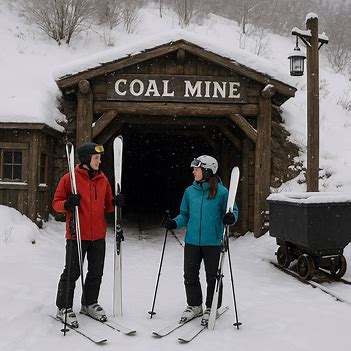
NEPA is often associated with coal mines and its mining history, but how about its ski slopes? NEPA is forever linked to anthracite coal, because it is considered to be the birthplace of North America’s hard-coal industry for almost two centuries. The area's larger cities like Scranton, Wilkes-Barre, Hazleton, and Carbondale grew rapidly because coal powered factories, railroads, homes, and businesses. The Delaware & Hudson Canal and Lehigh Valley Railroad were also built to move coal out of NEPA to New York City and Philadelphia. Eventually the coal rush faded but NEPA had another asset, plenty of mountains and valleys, and the nearby Poconos only helped the situation.
The first commercial ski area in the Poconos was Big Boulder Ski Area, which opened around 1946. Several other ski areas began in that era or soon after including Big Pocono Ski Area, Skytop Lodge ski hill, Pocono Manor ski area, and Elk Mountain, but the real explosion really happened in the 1960s & 70s. There were almost certainly additional small private clubs with ski hills and short-lived lodges and tow rope operations.
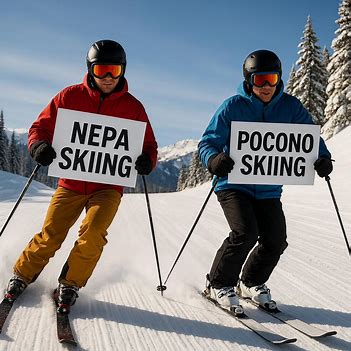
The 1950s were also the decade when artificial snow-making was developed in the Poconos. Big Boulder patented early snowmaking systems in the mid 1950s, which changed the season length for some of smaller ski hills. This new man-made snow led to a boom of larger resorts in the 1960s. The following decades saw the larger Pocono resorts like Jack Frost, Camelback, Blue Mountain, and Shawnee take shape.
Snow skiing in the coal region continues every winter. Today there are eight major ski areas in operation. Big Boulder, Blue Mountain, Camelback, Elk Mountain, Jack Frost, Montage Mountain, Shawnee Mountain, and Ski Big Bear each open seasonally and offer variety of ski, board, and tubing activity. These ski hubs bustle with activity throughout the winter months each year.
Get dressed and hit the slopes this winter. Make time for NEPA and Pocono landscapes this year. The snow-covered forests and crisp mountain air can help freeze-out the winter blues. Skiing is most often done with friends or family, so it's a great way to get some quality time. Overall, carving down a snowy mountain trail and navigating through powder is just plain fun regardless of your age. Hope to see you on the slopes!
Walking in a cemetery in NEPA or the Pocono region might sound unusual at first, but it can actually offer a surprising number of benefits for your mind, body, and perspective.
NEPA's cemeteries are often calm, green, and low-traffic, making them a peaceful escape from busy streets or noisy parks. The natural landscape, flowers, birds, and other wildlife creates a serene atmosphere ideal for reflection or simply unwinding.
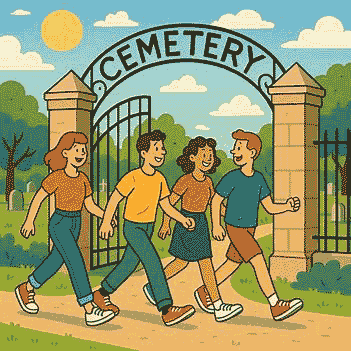
The best part about cemetery walks is that NEPA and the Poconos offer some of the best historic walking paths around. Many cemeteries have well-maintained roads or paths that are perfect for walking or jogging without worrying about the risk of traffic. They often have gentle hills and shaded areas, giving you a variety of terrain and a comfortable environment.
Being surrounded by history and unique memorials can encourage gratitude and some inner peace, helping you appreciate life and think about what really matters. Some walkers find comfort in remembering loved ones or in contemplating the passage of time. Older local cemeteries can be like open-air museums, full of interesting architecture, symbols, and local history. Reading names and dates can give a sense of connection to the past and the people who shaped the community.
Let's use the Dunmore cemetery as an example. many founding members of local towns and cities are laid to rest here. The family names are so familiar, it's like looking at a local map when you walk by.
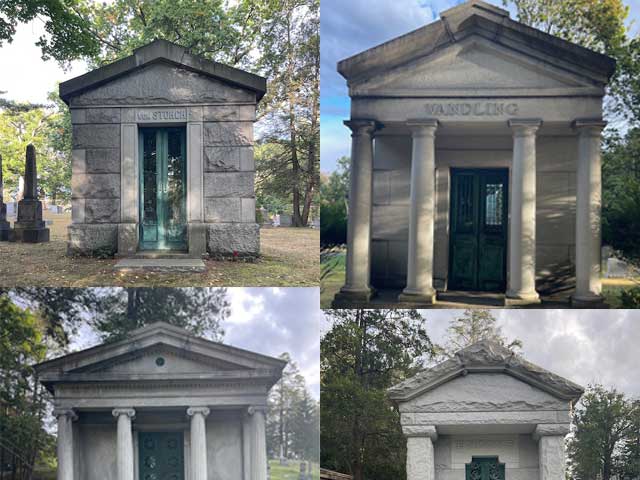
Wildwood Cemetery in Loyalsock Township comes in as the largest in terms of acreage followed by Scranton Sacred Heart Cemetery. When it comes to age, Forty Fort Cemetery and Hollenback cemetery located in Wilkes-Barre are some of the oldest in the area.
It's easy to research the walkable cemeteries near you with a quick web search. So put on your sneakers and get out and enjoy a brisk walk in a peaceful environment today. The Poconos and Northeastern PA certainly provides endless possibilities for your local exer-adventure. Why not search for a walkable cemetery nearby ...
Northeastern Pennsylvania and the Poconos offer a desirable lifestyle to people of all ages. Sometime in the late 1980, local media, business groups, and government programs began using the acronym “NEPA” in print and it caught on as a regional identity marker. It started popping up in radio stations, sports coverage, local businesses, and social media, which really solidified it as the short-name for the region.
The name Pocono comes from the Native Lenape word Pokawachne, which means “a stream between two mountains”. Way back in the late 1800's, railroads and resorts were popping up in Monroe County and surrounding areas, so advertising started promoting trips to “the Pocono Mountains.” Then in the early 1900's, vacation brochures and newspapers shortened it to “the Poconos” when referring to the mountain resort region.
This was the early marketing, similar to how “the Catskills” or “the Berkshires” were branded. The more casual short-name “the Poconos” became the accepted label in the first half of the 20th century once tourism boomed.
Fast forward to today, NEPA and the Poconos are the most common nicknames for this region, these catchy names create a sense of shared culture, personality, and reputation.